
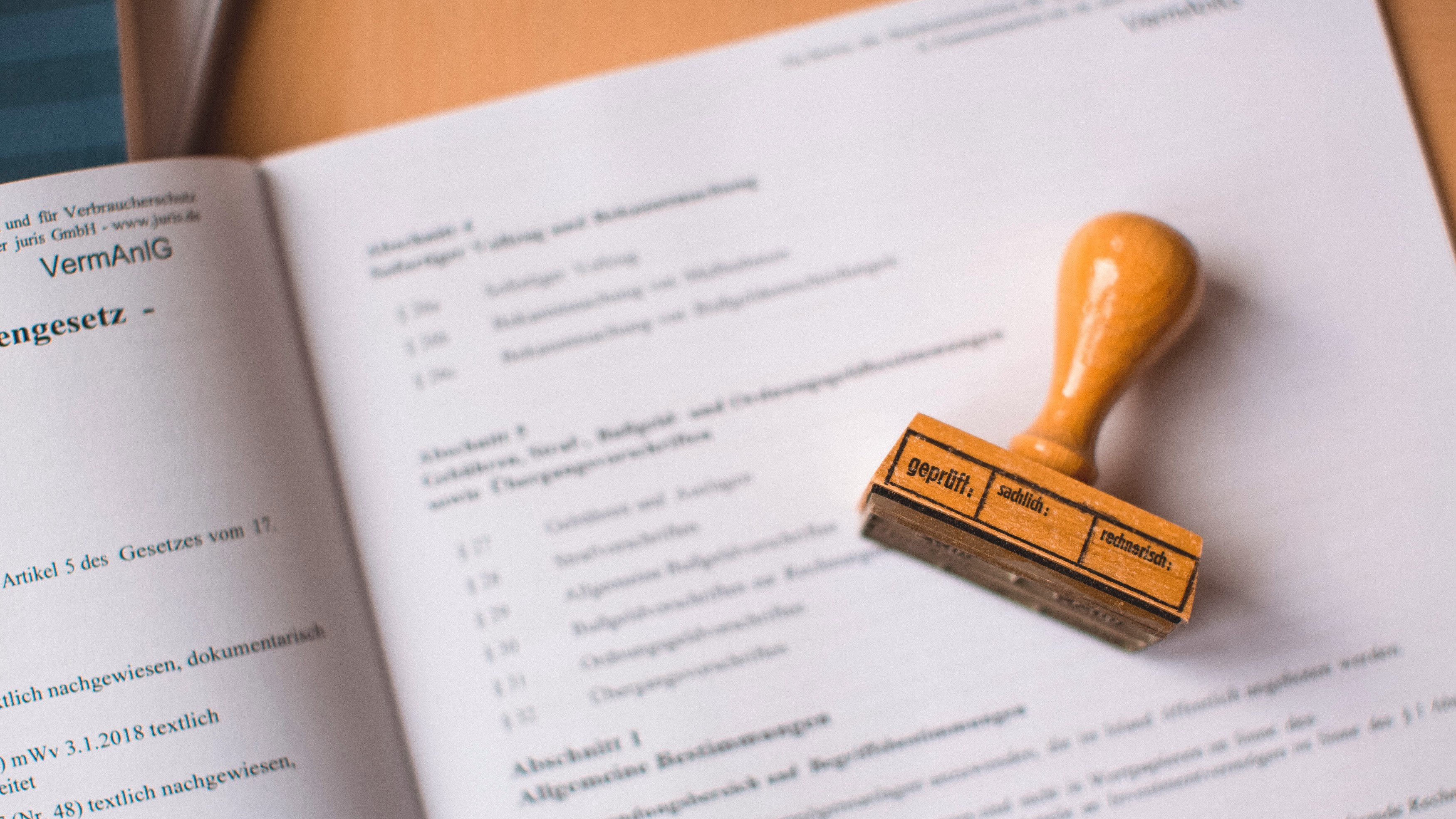

Legal & Compliance Advisory

Legal counsel for foreign-owned businesses in Thailand

We advise foreign investors and business owners on corporate compliance, commercial transactions, real estate, and ongoing governance. Your business stays on solid legal ground.

Thai authorities reviewed over 26,000 foreign-linked companies in 2024. Enforcement is increasing. We help you stay ahead of it.

Practice Areas

How we serve our clients

We advise foreign-owned businesses on the full range of legal and compliance matters they face in Thailand.

01

Corporate Compliance & Governance

We review your company structure against the same criteria Thai authorities use. We identify every gap, fix it, and put proper governance in place. This covers shareholding, capital documentation, board procedures, and regulatory response.

02

Corporate & Commercial

Company formation advisory, Foreign Business Act analysis, share transfers, director changes, and commercial agreements. We handle the legal side of setting up, running, and restructuring a business in Thailand.

03

Contracts & Documentation

Legal agreements drafted for your specific situation. Shareholders agreements, directorship agreements, partnership agreements, employment contracts, service agreements, NDAs, MOUs, and loan documentation.

04

Real Estate & Property

Land purchase and sale agreements, lease agreements and registration, construction contracts, and property transfer documentation. We support every stage of a real estate transaction in Thailand.

05

Due Diligence & Risk

Pre-investment corporate due diligence, partner and vendor assessments, and compliance risk analysis. You get a clear picture of what you're dealing with before you commit capital or sign anything.

06

Ongoing Advisory

Retained legal counsel, company secretary services, annual compliance reviews, and priority advisory access. We stay with your business long-term and keep things current as regulations change.

How We Work

A structured approach to every engagement

Clear process. Fixed fees. No surprises.

01

Consultation

We discuss your situation, understand your business, and identify what needs attention.

02

Assessment

We review your company structure, documentation, and legal position against regulatory requirements.

03

Roadmap & Delivery

You receive a compliance roadmap with fixed fees. We then draft all required legal documentation.

04

Ongoing Support

We handle implementation and execution guidance. We continue to advise as your company evolves.

About the Firm

Built for this market

Proviso is a legal and compliance advisory practice focused on foreign-owned businesses in Thailand. We understand the Foreign Business Act, Thai corporate structures, and the practical realities of operating a business here as a foreign investor.

Our clients are business owners who need things done properly. Some need to fix a company structure that was set up years ago without proper documentation. Others need agreements drafted to protect their position. Others need legal support for a real estate transaction or a new business venture.

We work directly and efficiently. Every engagement produces clear deliverables. Every document is drafted specifically for your situation. We do not use templates.

Get Started

Not sure where your company stands

If you own or operate a foreign-owned business in Thailand and you are not confident your company structure is compliant, we will tell you where you stand. No obligation. No sales pressure.

Book a Consultation
Insights

Perspectives

Practical observations about corporate compliance and legal matters for foreign businesses in Thailand.

Thai company compliance
Compliance

You Set Up a Thai Company. You Might Already Have a Problem.

Your company is two weeks old. The paperwork is done. But there are likely gaps in your structure already.

Read →
Thai company red flags
Enforcement

What Thai Authorities Look For When They Review Your Company

The DBD and DSI have a specific list of patterns they check. Here is what triggers a closer look at your structure.

Read →

You Set Up a Thai Company. You Might Already Have a Problem.

You are new to Thailand. You want to start a business. You ask around, get a referral from a friend, or find a firm online. The price is reasonable. They speak English. They make it sound simple.

"We will handle everything. In two weeks, you will have a company."

And they deliver. Two weeks later, you own a Thai limited company. 2 million baht registered capital. You are listed as a director. You hold 49% of the shares. The other 51% is held by Thai shareholders. Your Thai business partner, people the firm connected you with, or a friend of a friend.

Paperwork done. Company registered. Business started.

Here is the thing. You might already have compliance gaps. Not six months from now. Not when you try to buy property. Right now, from day one.


The 10-Day Director

You were added as a director about 10 days after the company was incorporated. That is normal. Companies need Thai directors at first to get registered, then you get added.

But when you became a director, you also became a 49% shareholder. That means you now own shares worth 980,000 baht.

Did you pay for them?

When shares change hands, there should be a transaction. Money moves. Documents show where the funds came from. The company records the share transfer properly.

What actually happened with your shares? Were they transferred to you? Issued to you? Did you sign share transfer documents? Did anyone ask you to show where your 980,000 baht came from?

If you are not sure, that is your first gap.


The 2 Million Baht Capital

Your company has 2 million baht registered capital. That is the standard amount most firms use. It meets the minimum for a work permit and looks reasonable on paper.

But registered capital and paid-up capital are different things.

Registered capital is what your company says it is worth. Paid-up capital is what shareholders actually put in. Thai law allows companies to start with as little as 25% paid up. Some companies register 2 million but only pay up 500,000. Some pay up even less.

Did your company actually receive 2 million baht from its shareholders? Is there a record of each shareholder transferring their portion into the company bank account?

The law firm handled the paperwork. But did real money actually move? If you do not know, that is another gap.


The 51% Shareholders

Your company needs to be majority Thai-owned. So 51% of the shares are held by Thai nationals.

Who are these people? What do they do? Why would they invest over a million baht in your company?

If the honest answer is "the law firm arranged it" or "I do not know them well," then you have the same structure Thai authorities are actively investigating.

The DBD reviewed over 26,000 foreign-linked companies in 2024. They are asking these exact questions. They want to know if Thai shareholders are genuine investors or names on paper.


Why This Matters

Thai authorities have specific patterns they look for when identifying problematic structures. Companies that fit those patterns attract scrutiny. Even if your company is entirely legitimate, regulatory attention costs money and time. It puts your entire operation at risk.

The gaps covered here are not the only ones. There are compliance issues that most lawyers and firms do not mention when they set up your company. They get the registration done, hand you the documents, and move on.


What To Do About It

If this sounds like your company, you are not alone. This is how most foreign-owned companies in Thailand get set up. Fast, cheap, and without much explanation of what was actually happening.

Proviso helps foreign business owners identify compliance gaps and fix them. We review your structure, find the problems, and help you build something that holds up to scrutiny. If you are unsure whether your company was set up correctly, get in touch.

← Back to Insights

What Thai Authorities Look For When They Review Your Company

The Department of Business Development (DBD) and the Department of Special Investigation (DSI) have a clear process for reviewing foreign-linked companies. They are not guessing. They have a checklist. And it is more detailed than most business owners expect.

In 2024, the DBD reviewed over 26,000 companies with foreign involvement. That number is going up. If your company is on the list, here is what they will look at.


Shareholder Structure

This is the first thing they check. They want to confirm that you and your Thai business partners each have a genuine stake in the company.

They look at the income and financial capacity of each partner. If someone on a 30,000 baht salary holds shares worth 1.5 million baht, that raises questions. They want to see that everyone involved had the financial means to make their investment.

They also look at patterns. If the same individuals appear as partners in multiple foreign-linked companies, that stands out. If the shareholding is exactly 51/49, that stands out too. These are common structures, and regulators know it.


Capital and Funding

Registered capital is a number on paper. Authorities want to see that the money actually moved.

They check bank statements. They check whether each shareholder transferred their portion of the capital into the company account. They look for the source of funds and whether the amounts match the shareholding percentages.

Many companies have registered capital of 2 million baht but no clear trail showing how it was paid in. If you cannot produce bank records and transfer documents, you have a problem.


Business Operations

They look at whether the company has real operations. Revenue, employees, a physical office, clients. A company with 2 million baht in capital and no revenue after two years raises questions.

They also check whether one partner is running everything alone. If the foreign partner makes all the decisions, signs all the contracts, and controls the bank account while the Thai partners have no involvement, that raises serious compliance concerns.


Documentation

This is where most companies fall short. Authorities check for shareholders agreements, board meeting minutes, capital contribution records, and director appointment documents.

Most companies set up through registration firms do not have these. They have articles of association and a registration certificate. That is it. Everything else is missing.

When regulators ask for documentation and you have nothing to show, the assumption is not in your favour.


What Happens Next

If your company flags multiple items on their checklist, the case gets escalated. It goes from the DBD to the DSI. The DSI has enforcement power. They investigate nominee structures and refer cases for prosecution under the Foreign Business Act.

Penalties range from fines to imprisonment. More commonly, the business gets shut down or forced into an expensive restructuring under pressure.

The time to fix these issues is before anyone comes looking. Once you are in the system, the process is slow, expensive, and unpredictable.

Proviso reviews your company against the same criteria regulators use. We identify the gaps and fix them before they become a problem. If you want to know where your company stands, contact us.

← Back to Insights
Contact

Book a consultation

A short introductory call to understand your situation and how we can help. Tell us about your business, your current company structure, and any compliance concerns you may have.

info@proviso-consulting.net